
Canterbury Winter Trail Series Spotlight
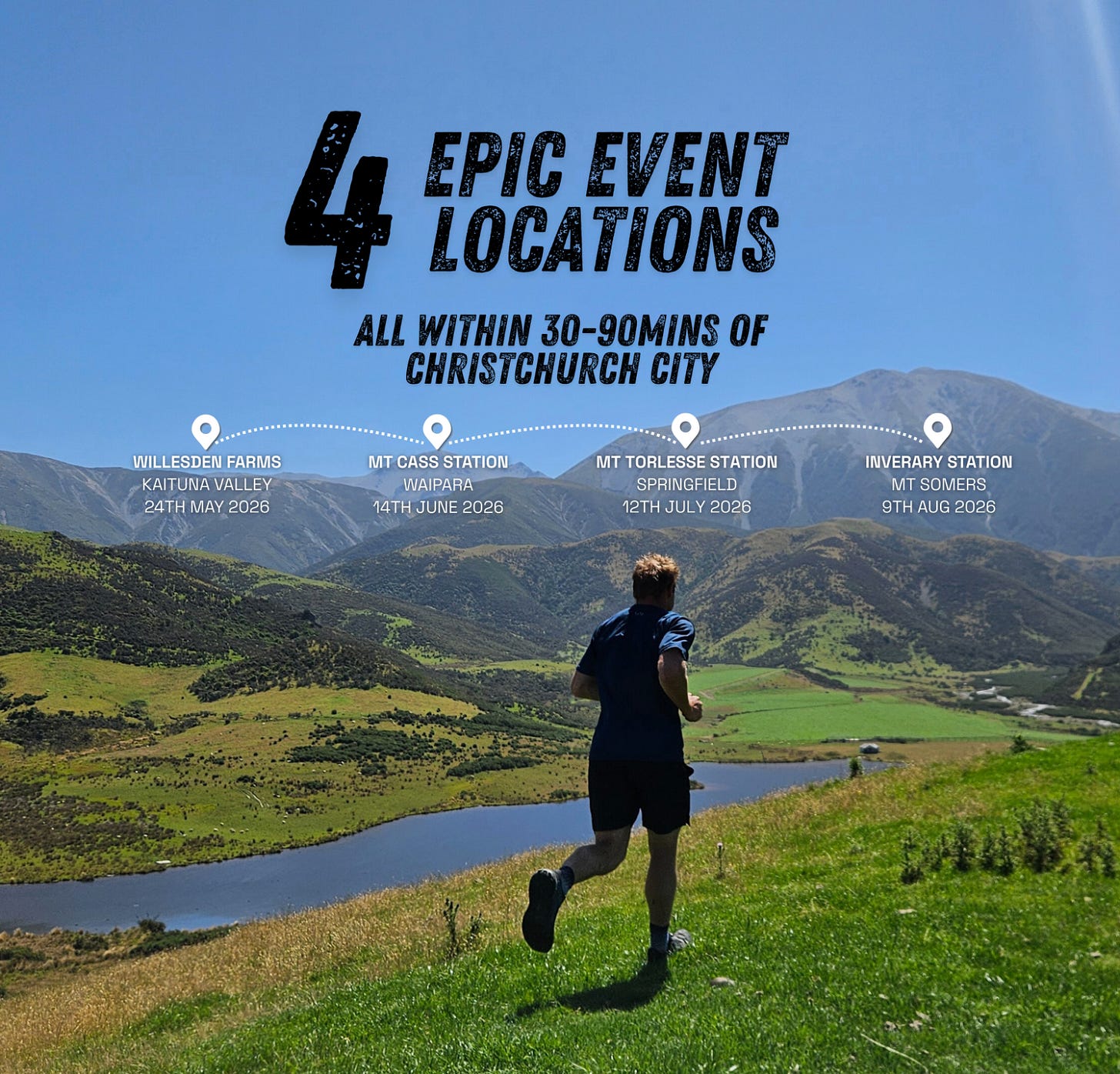
The schedule is bananas, B-A-N-A-N-A-S, to close out March, but things inevitably cool down as we head towards the cooler months. Sam Manson recently launched the Canterbury Winter Trail Series, a new 4 race series taking place this winter.
Here are the race details, and you can learn more about the series on the website.
Now I love nothing more than seeing someone go out on a limb and bring ideas to life
I got hold of Sam and fired through a few questions about his new baby.
You’ve had this in the oven a few years now, what was the original spark?
If there has been one thing we’ve noticed lately that is missing from the Christchurch winter season it’s trail running events. My friends and I have often travelled around the country during this season to other events e.g. Mount Difficulty and WUU2K, and that’s been awesome but it’s time for some Christchurch local ones too.”
“While I’m mostly known as a ‘multisporter’, trail running is a huge passion of mine. Running is the foundation; it’s easier to start because you don’t need as much gear as other sports—just a pair of shoes and you’re out the door (maybe some pants too). I certainly took some inspiration from the trail running series up in Auckland that I used to do while I lived there for a bit. First-hand experience proved that it’s a fun way to see new places, meet good folks and get you out the door during the cooler months.”
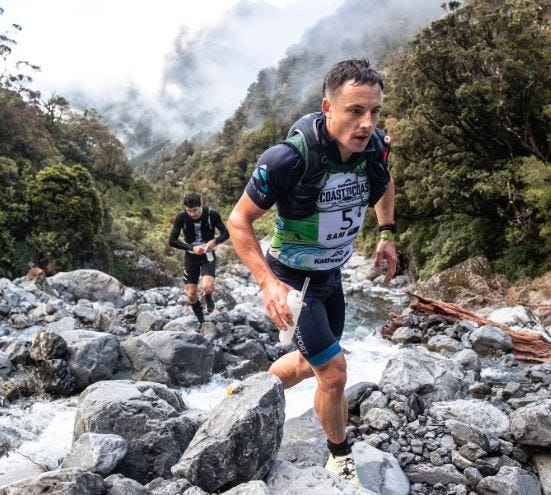
I’ve got no pictures of the events so I’m going with a Sam Manson montage. Here is Coast to Coast Sam.
Was there a specific moment where you thought, “Canterbury needs this”?
“I can’t recall a specific moment. But pretty similar to my above response, just from myself and others wanting to do more trail running events and not being able to find many local ones.”
What does success look like after year one?
“Well I certainly need people to show up and support them - I’m really hoping I can get a few entries in! But it would mean a lot more if those who attend have a great time. That’s out on the course and even at the start/finish line area.”
“Also just making sure the events happen successfully even with some adversity. Winter in Canterbury can be cold and wet, and I started these events knowing that, so I want them to proceed in most wintry conditions. For that to happen, I have some backup plans to avoid creek crossings and other variables on the course, if needed.”
“However, emphasis will be placed on ensuring everyone who attends has adequate gear and brings extra if the weather is bad. With the right amount of layers we can all have a bit of fun in the wet!”
You’ve gone with a winter series - how do these courses hold up to the odd bit of the white stuff?
“Two of the locations are coastal and the other two are high country. Snow is possible - more likely at the high country ones.”
“A bit of snow would be pretty neat! The highest elevation on any of the courses is 880m, but that part of the course can easily be diverted away from. While snow is possible, it is typically not very deep.”
“If there are high levels of rain or snow, we will adjust the course. Normal amount of rain and snow? Then we are all go. Obviously, no place is invincible to extreme conditions, but we will be doing our best to ensure we are as winter-proof as possible.”
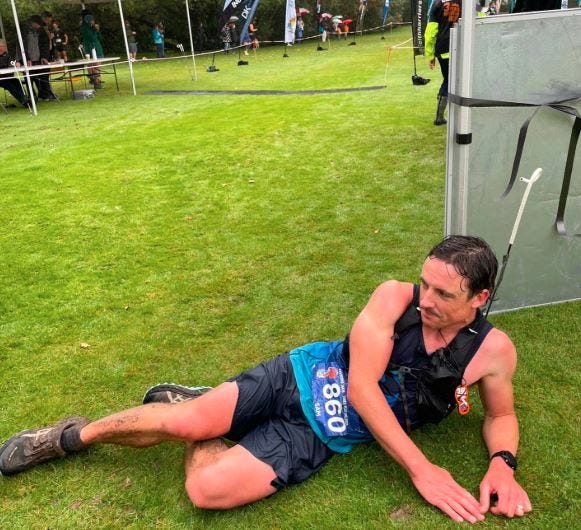
Here is lying down on the job, Sam.
Should entrants expect to be able to get full bang for buck out of their seam-sealed jacket if the weather calls for it?
“Absolutely. I mean I’m still hoping for bluebird days, but everyone is expected to wear the right gear for the conditions.”
“Nothing beats a cold experience to be convinced that your jacket or layers are no good - but some of us like to learn the hard way. We will also have a compulsory gear list for every course.”
“The short course naturally won’t need to carry as much. If the weather is looking mint then I will likely reduce the posted gear list slightly.”
You mention the courses are not typically open to the public - how hard was it to secure access?
“There are plenty of good sorts out there. Lucky for me every location owner/manager has either known me already or someone I know has put me in touch with them. That helped a lot with getting the foot in the door.”
“It required a few meetings to ensure everything was clear and a reconnaissance of the land prior to locking anything in. I’ve done a lot of driving around Canterbury so far to keep in touch with everyone and ensure the courses are all rock solid.”
“I didn’t find all these places easily and some didn’t quite make the cut for my event checklist. This included appropriate access for town vehicles, appropriate carparking, but especially important to me is that each location has something special — a ‘wow’ factor, good views, and quality terrain — so people go home stoked after their day out in the local hills.”
“I also needed the landowners to be as hyped about making these happen as I was. That required visiting a lot of places. The final four are outstanding and honestly a little above my expectations.”
“We’re lucky to have these folks and their land at our doorstep. Ultimately they all want these events to happen and genuinely want to give the public an opportunity to see their beautiful countryside. Farmers get a hard time from some city folk and this is likely a great opportunity to mingle and see how well looked after their land and operations are — plus how epic they are too.”
What course is your personal favourite and why?
“Ohhh I’d better not pick a favourite - I’m trying to build a relationship with the owners here mate! They all have something special and unique to them. I’m pretty sure at the end of the series if you ask that question to someone who did the full series, they might struggle with the answer too.”
How beginner-friendly are these events really?
“The cut-off times are generous, so walking the whole course is viable. Throw in the hills and the level of technicality, yep total beginners are going to find that challenging.”
“But if they are up for it, come in with the mindset that they might be out of their comfort zone with the mud, uneven ground etc., then I have no doubt they will make it through! They just have to want to.”
“If the weather is nice and they are moving well, I will be happy to slightly extend the cut-offs for the sprint and midi courses too.”
“I’m hoping some of the total beginners can persist through the full series and come out of the last event feeling more comfortable and totally hooked on trail running/walking.”
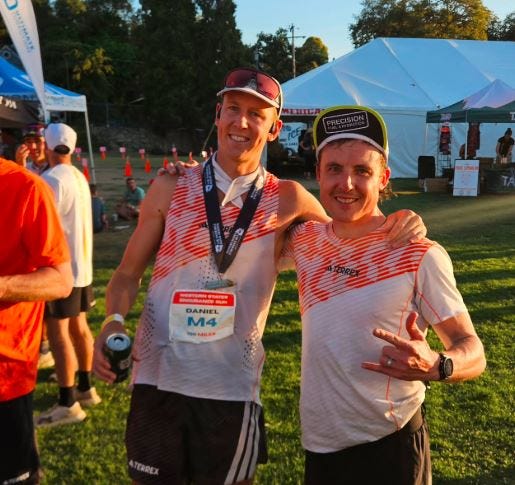
“I know some people” Sam
On the flip side - will competitive runners still get a proper hit out?
“Yes, and there is so much variety out there that it will be fun to see how they play to their strengths.”
“There’s a huge mix of everything: technical sections, non-technical sections, creek crossings, rocks, muddy steep climbs but also easy flat sections and long, fast downhill sections.”
“So there is opportunity for the road runners who are keen to dabble in these trails to gain back time on some of these easier bits, after likely losing time to the pure Mountain Skaggers on the rough and muddy bits. The worst part about this series is I can’t race them myself! I would love to, which is a good sign...”
Why was it important to build this as a four-event series rather than standalone races?
“Mostly from my experience doing the series up in Auckland. Doing a series was a huge amount of fun, every few weeks carpooling with some mates to a new location to tick off the next race. My mates and I always looked forward to the next one.”
“Lining up regularly with similar faces each time gives you a cool opportunity to meet new people too which makes it very social. The multiple events also mean chances to improve and be better each time, finishing the series as a fitter, happier and likely faster trail runner (or walker!).
“There will be an end-of-series prizegiving, so those who complete all four events can accumulate points for a podium prize, but the overall focus remains on community. While I hope there is some fierce racing out there, there are only spot prizes at the finish line of each event, no prizegiving (apart from the overall series) so everyone can debrief their race, grab some food from the local fundraising group, and then go home!”
You emphasise affordability on the website. How have you managed to keep costs down while still providing a fun and safe race experience?
“Picking the pricing was challenging, especially as this is my first year. Having events on private land and avoiding public roads on course as much as possible may help, but I am certainly still paying the landowners a reasonable per-person rate. A few of them even said they didn’t want any money at all, but paying them properly is essential to the long-term sustainability of the events.”
“Finish line medals are also an optional add-on when entering. So if anyone wants a memorable keepsake, they can purchase that as an extra. Medals are a huge added cost, so making them optional means those who don’t feel they need one can access the event more easily. That said, the medals are super special — a unique puzzle design — so they’re well worth collecting if you can afford the extra $15.”
“I’ve also received great advice from other race companies, which has been hugely valuable, especially with the budget. You’ll see the early bird prices are not only low, but the price change date from early bird to standard is also relatively close to the event compared to others out there. That’s because the events were only announced at the start of February 2026, so I wanted to give people a bit longer to enter at the cheaper rate.”
“I’ll certainly be investing my own money into these events to make sure the operation is robust, safe, and a great experience. I’m sure it will work out over time, but I know the first few years can be tough and I’m prepared for that. I definitely won’t be cutting corners, especially when it comes to safety, operations, and making sure people have a great day out. It is a bit strange doing hundreds of hours of unpaid work and hoping event day pays off, but I’m fully committed.”
What’s been the hardest part of bringing it to life?
“Like anything mate, it was just to stop putting it off and taking the first few steps. It is a massive commitment of time and money, which is certainly scary. I always knew it would be a huge job and the deeper I get into it, the longer my to-do list gets. Like any big project, it looks massive and almost impossible at the beginning but as you tick steps off you start to see it is going to work out.”
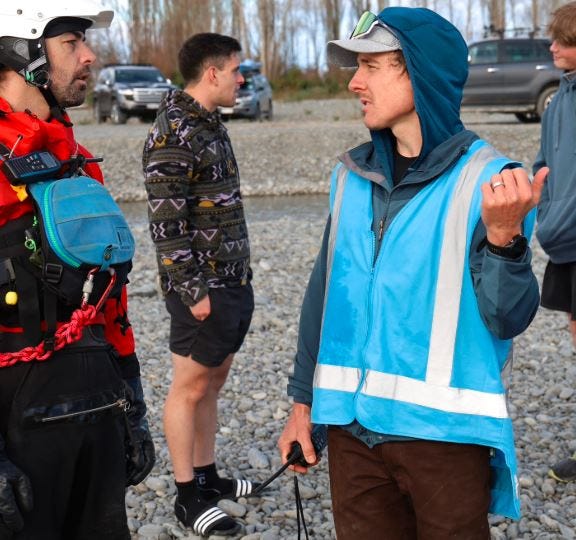
Blue Vis Race Director Sam
How big is the organising team behind the scenes? Is this Sam Manson the one man band or have you linked up with an events company?
“As far as organising goes, it’s just me at this very moment. Totally fresh company as I begin my own thing. I’ve had loads of good people that I know well approach me about these events and wanting to help. I’ve been making a list, and in a time when volunteering seems less common, this is certainly proving it otherwise.”
“It seems like many people want to help ensure its success. And for that I’m very grateful. I have 3-4 critical roles for the event and they will be getting locked in and trained up over the next few weeks. My wife, Lisa, is certainly ‘employed’ to help this series. She is always great at helping me. She’s a school teacher and rowing coach, so she’s great at herding humans and telling them what to do!”
If you had to pitch this series in one sentence to someone sitting on the fence, what would you say?
“You’ll be better off doing them, guaranteed… unless staying under the duvet scrolling reels sounds like a better winter plan — come get amongst it.”
Thanks for your time Sam! It’s great to see someone take a risk to bring their vision to life. If you’re in that neck of the woods over winter and you’ve got the time and money, get behind this man!